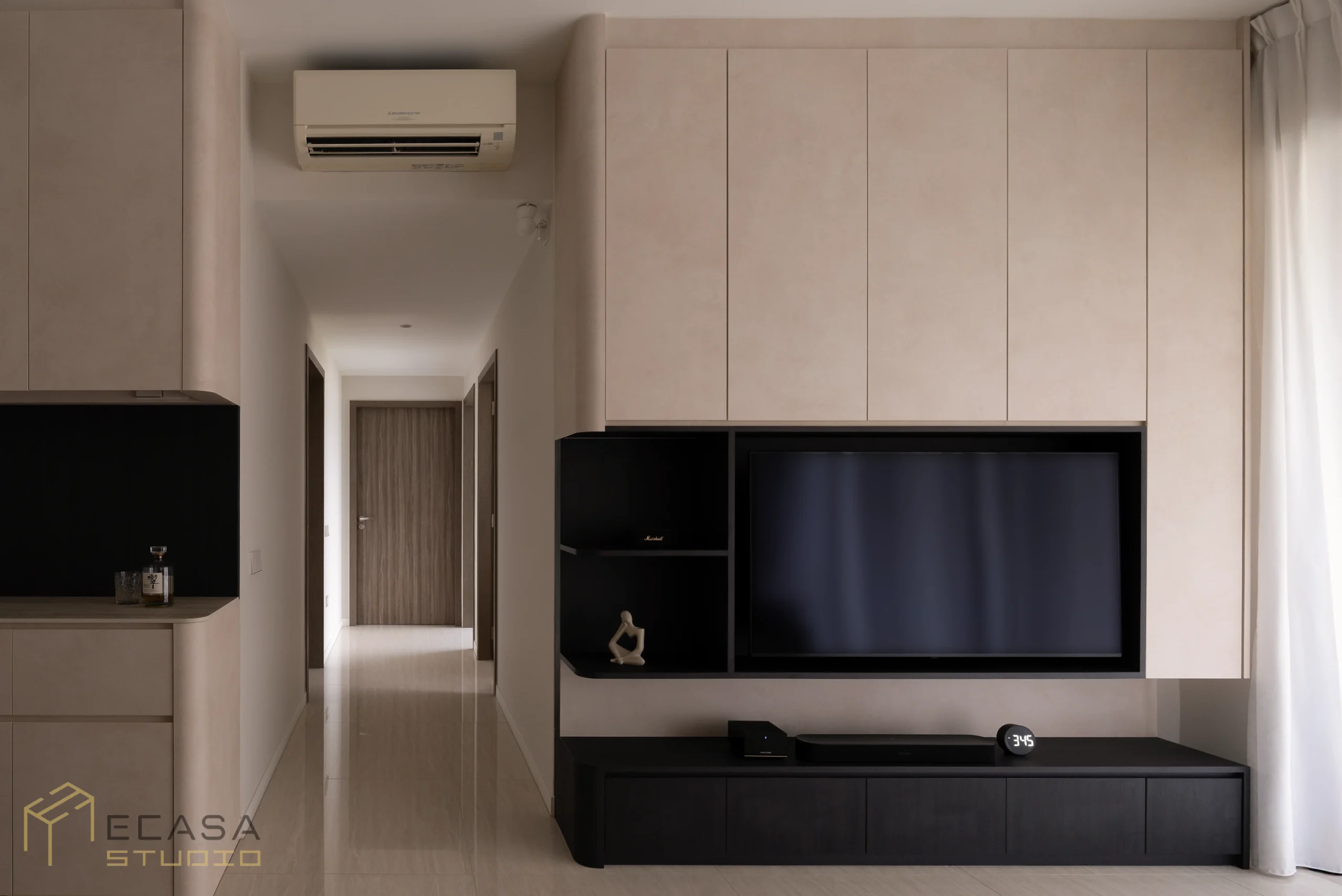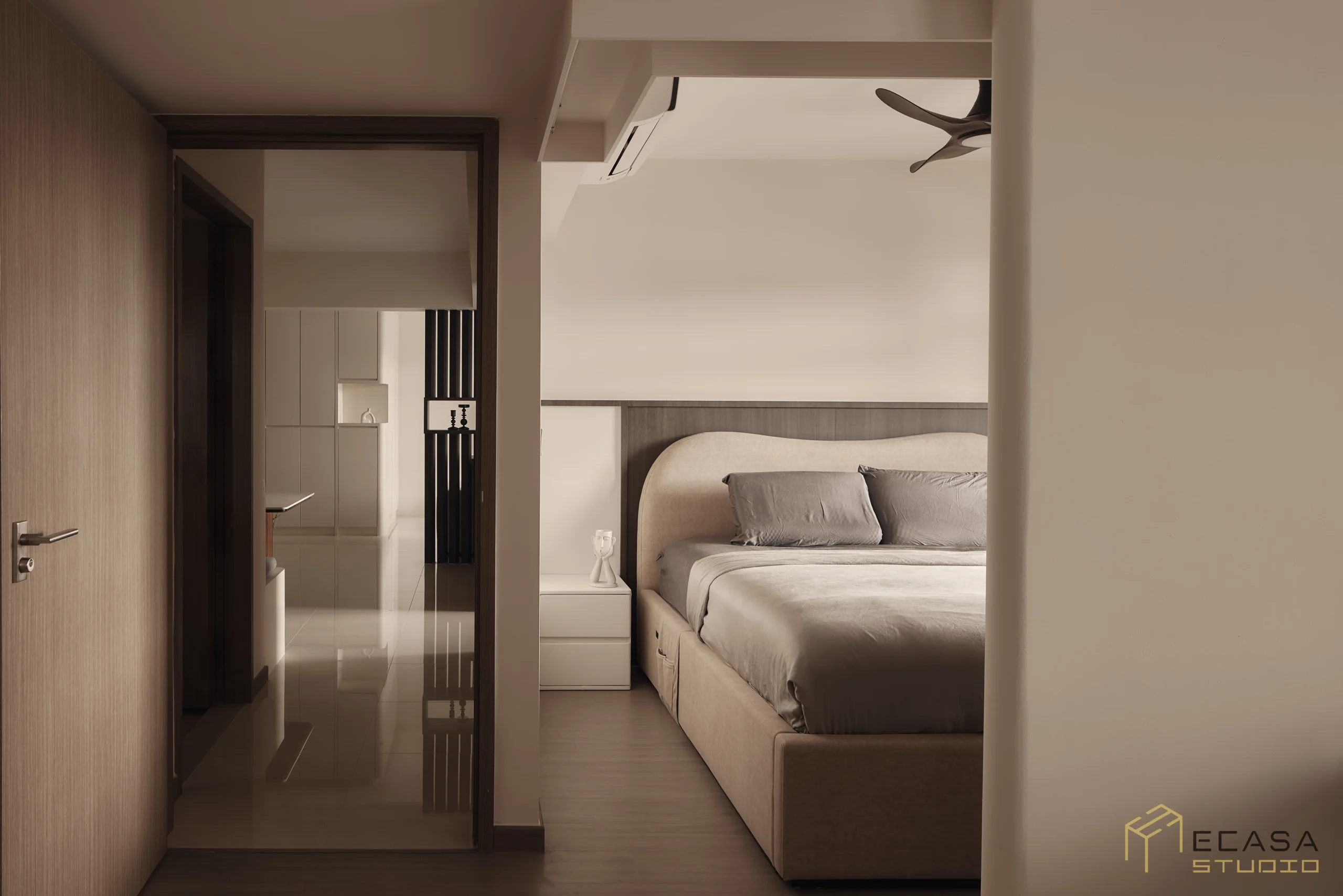
Designing a bedroom in an HDB flat is never just about how it looks. In Singapore, space is limited and every room needs to work harder. What starts as a simple spare room can quickly evolve into a nursery, a study room, or even a bedroom for ageing parents. The challenge is not just designing for today but planning for the years ahead. Many homeowners focus on aesthetics during renovation, only to realise later that their bedroom no longer fits their lifestyle. The key to a well HDB bedroom design is flexibility. When done right, the same room can adapt through different stages of life without the need for major renovation each time.
Why HDB Bedrooms Design Should Be Designed for Change
In most HDB bedroom designs, especially 3-room and 4-room units, the number of bedrooms is fixed but the needs of the household are not. A young couple may have an extra room that feels like a luxury at first. Over time, that same room becomes one of the most important spaces in the home. The reality is that each bedroom will likely serve multiple purposes over the years. A rigid design may look impressive at the beginning, but it can become restrictive when your lifestyle changes. Built-in carpentry that fills up every wall might feel like a good use of space, but it can make future adjustments difficult. Designing with change in mind allows you to maximise the usefulness of each room. It also helps you avoid unnecessary renovation costs in the future.
Stage One: Before Children, A Flexible Spare Room
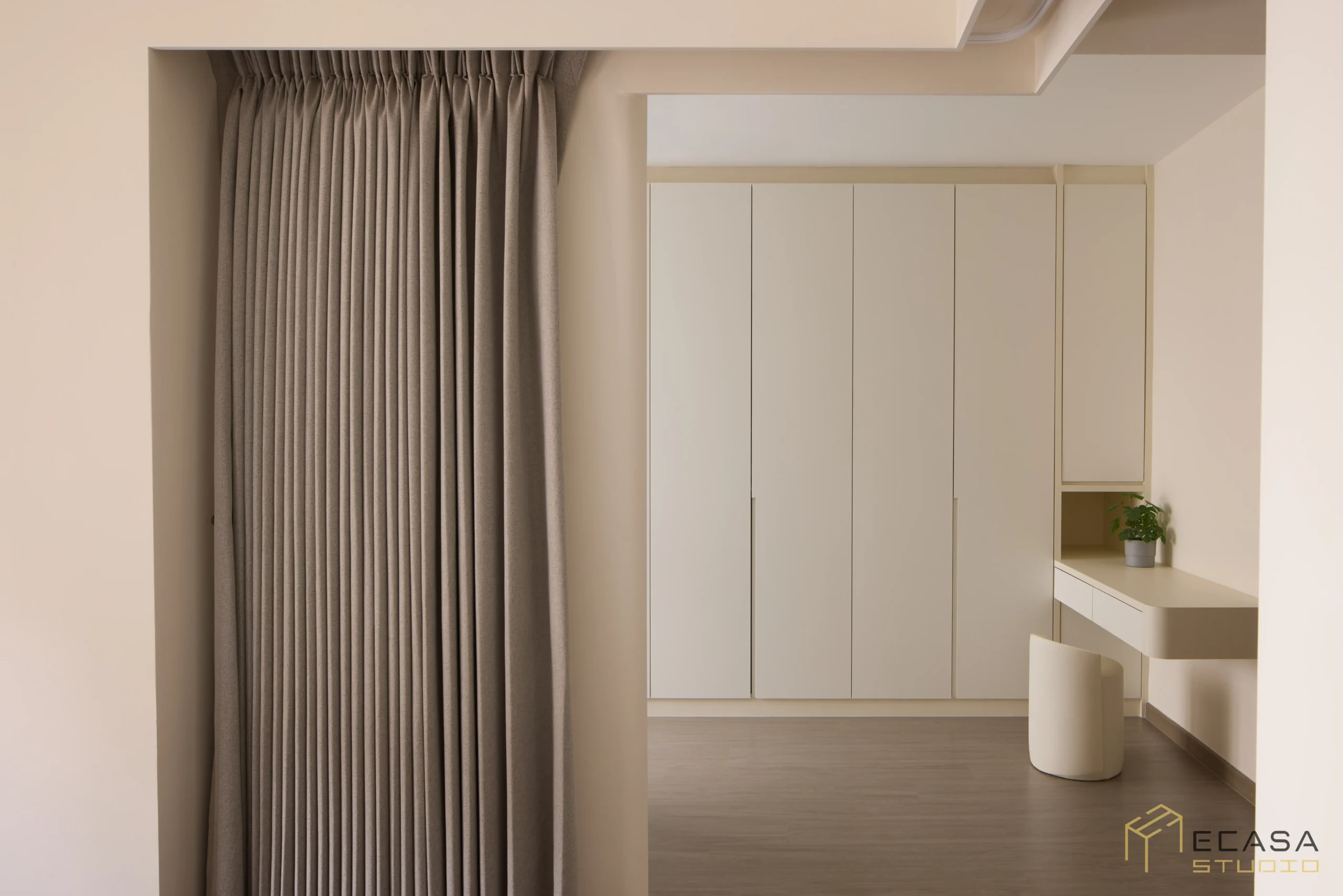
At the start, many homeowners treat the extra bedroom as a bonus space. It often becomes a wardrobe room, a home office, or a guest room. Some even combine all three functions into one. A common setup in Singapore is to line one wall with full-height wardrobes, turning the room into a walk-in wardrobe. This works well for couples who need more storage but it is important not to overcommit. Leaving some open space ensures the room can still be converted easily in the future. Another practical approach is to design the room as a home office that can double as a guest room. A simple desk, movable storage, and a sofa bed can create a space that feels productive during the day and welcoming at night. The key at this stage is to avoid making the room too permanent. Keeping the layout flexible will save you effort when your needs change.
Stage Two: Young Children, Balancing Play and Rest
As baby comes and children grow, the bedroom becomes more than just a place to sleep. It turns into a space for play, learning, and daily routines. At this stage, having enough open floor space is just as important as having storage. Parents often face the challenge of clutter. Toys, books, and clothes can quickly take over the room. A good strategy is to incorporate accessible storage that children can use themselves. Low shelves and simple storage units make it easier to keep the room organised. Safety is another important consideration. Furniture with rounded edges, stable structures, and secure fittings can help reduce risks. Keeping the layout simple also makes it easier for both parents and children to move around comfortably.
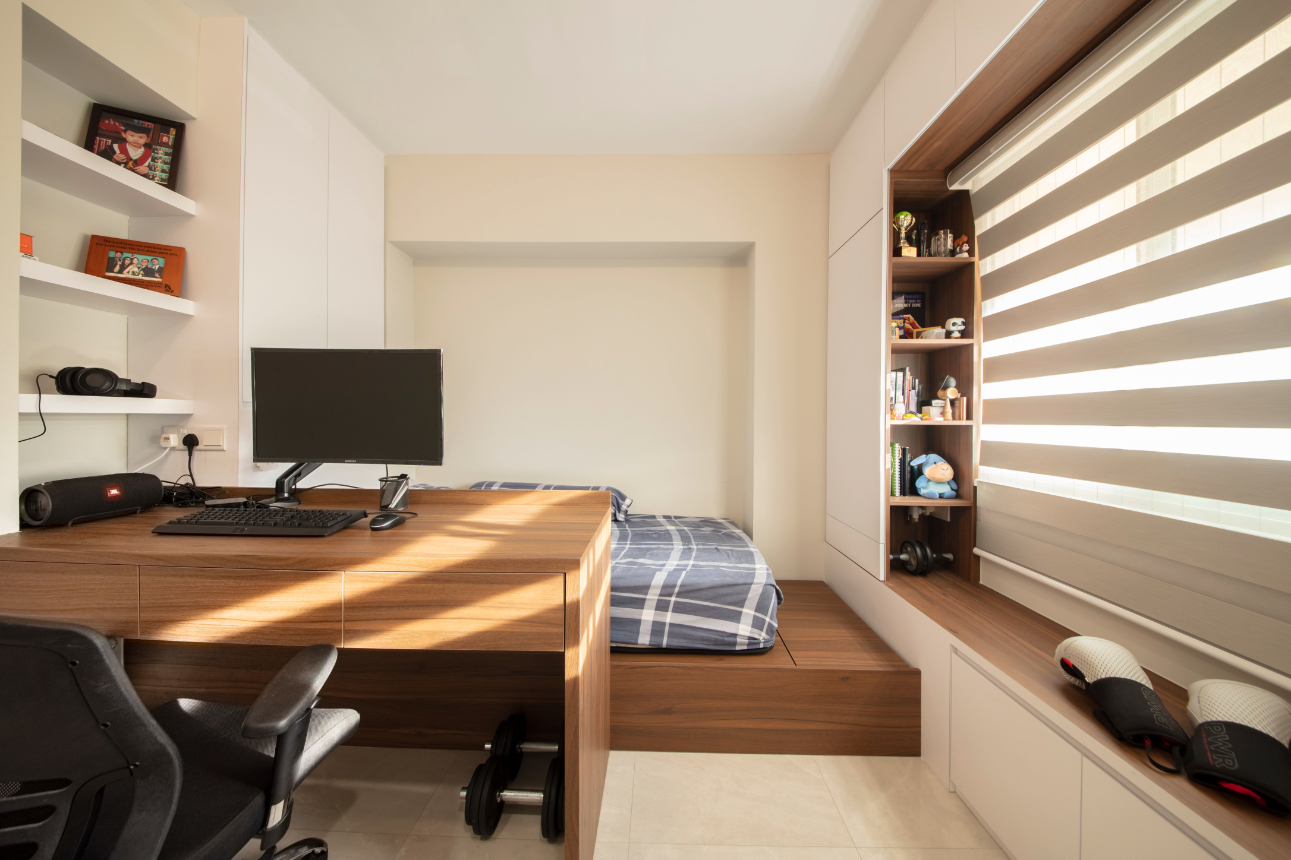
Stage Three: School Years, Creating a Study Environment
Once children start school, the bedroom design need to support focus and routine. This is when a proper study area becomes essential. The placement of the study desk can make a big difference in how effective the space is. Ideally, the desk should be placed near natural light but not directly facing distractions such as the bed or entertainment devices. Good lighting is important to reduce eye strain, especially during long study sessions. Storage also becomes more structured at this stage. Books, stationery, and school materials need to be organised in a way that is easy to access. Built-in shelves or modular storage can help maintain a tidy environment without overwhelming the space. The goal is to create a room that supports both rest and productivity. A clear separation between the study area and the sleeping area can help children develop better habits.
Stage Four: Teenagers, Privacy and Personal Space
As children enter their teenage years, their needs shift again. The bedroom becomes a personal space where they can express their identity and enjoy a sense of privacy. This is often when homeowners need to reassess the room layout. Storage requirements increase, especially for clothing and personal items. At the same time, the room should feel comfortable and not overly restricted. Allowing some level of personalisation can make a big difference. Simple changes such as adjustable shelving, flexible furniture, or even a new colour scheme can help the room feel more suited to a teenager’s lifestyle.
Designing a HDB Bedroom Design You Will Not Regret
A well-made HDB bedroom design is one that can grow with you. It should support your current lifestyle while allowing room for change. Instead of committing fully to one idea, it is often better to leave some flexibility in the design. Think of each bedroom as a space that will go through different phases. By planning and focusing on practical needs, you can create a bedroom that remains useful and comfortable over time. Ready to makeover your HDB bedroom design that grows with your lifestyle? Speak to our interior designers today and let us help you plan a space that is both practical and future-ready for your HDB home.