Buying your first landed home in Singapore, or upgrading from one landed property to another, feels like a level-up in every way. You get more space, more privacy, and far more freedom to shape how you live. That freedom is exactly why landed interior design needs a different approach from condo or HDB renovations. A landed home is not just more rooms to renovate. It is a multi-storey environment with different heat patterns, circulation needs, storage demands, and lifestyle opportunities. When it is planned well, a landed house can feel cohesive, comfortable, and easy to live in. When it is not, it can feel cavernous, inconvenient, and costly to fix later.
Why Landed Homes Need a Different Interior Design Approach
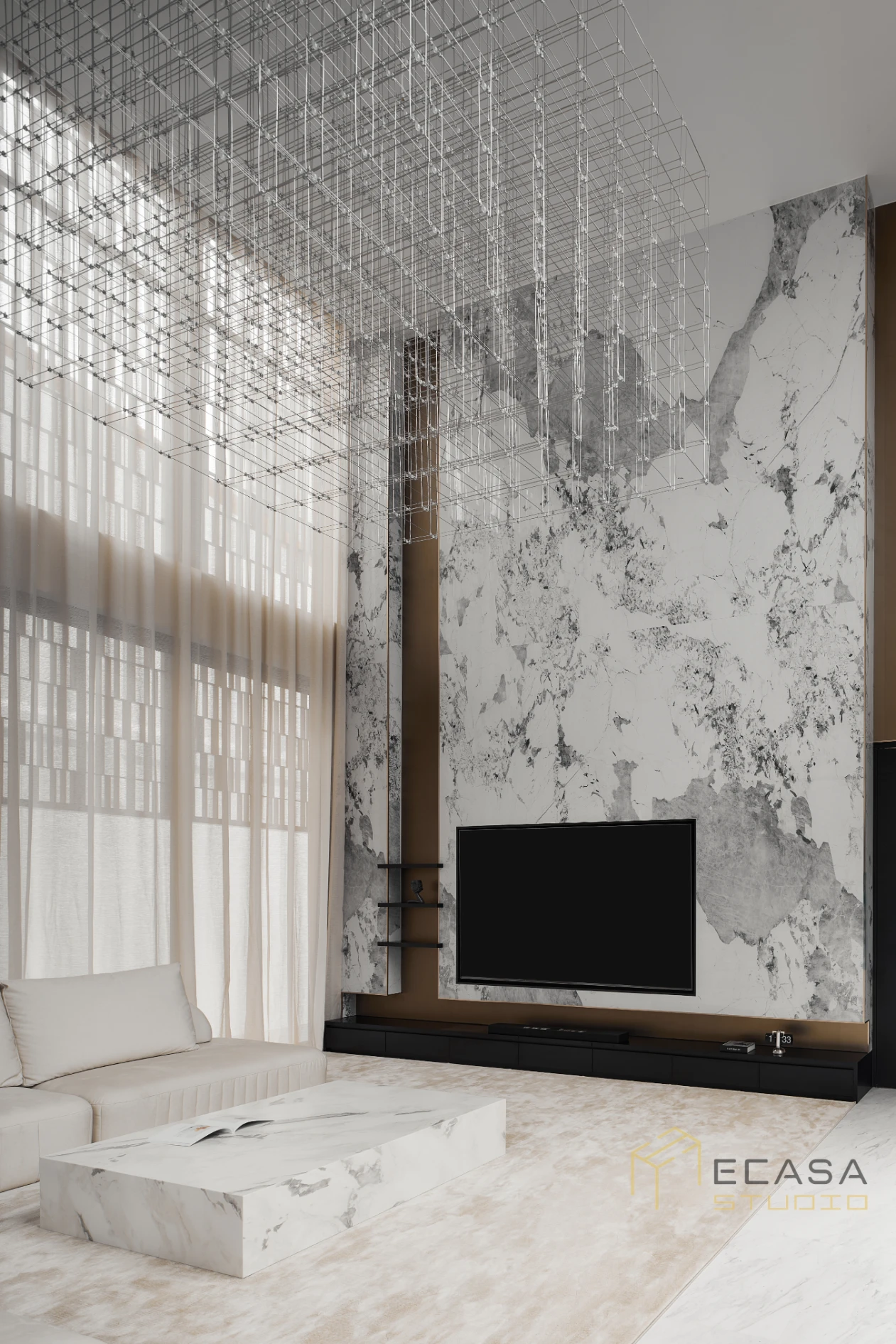
The first difference is how you move through the home. Most landed houses in Singapore are multi-level, and that changes the entire way you should plan the interior. Instead of thinking room by room, you need to think in routines. Where do you enter with groceries, where do deliveries land and where do kids drop school bags? How often do you go between floors each day for laundry, work calls, snacks, and bedtime? The best landed interiors reduce unnecessary back-and-forth and make everyday movement feel natural. It is also wise to think ahead. Many families create a layout that remains comfortable in the long run, especially if parents are ageing, children are growing, or the household may become multi-generational over time. Another major difference is scale. Landed spaces can look impressive, but if you do not zone them properly, they can feel oddly empty or echoey. A well-zoned living and dining space that can be achieved through layout, carpentry, lighting layers, and materials could make the area feel warm and intentional even before you add accessories. Once the scale is corrected through appropriately sized elements, large rooms could become comfortable and not cold.
Must-Have Features in Landed Interior Design
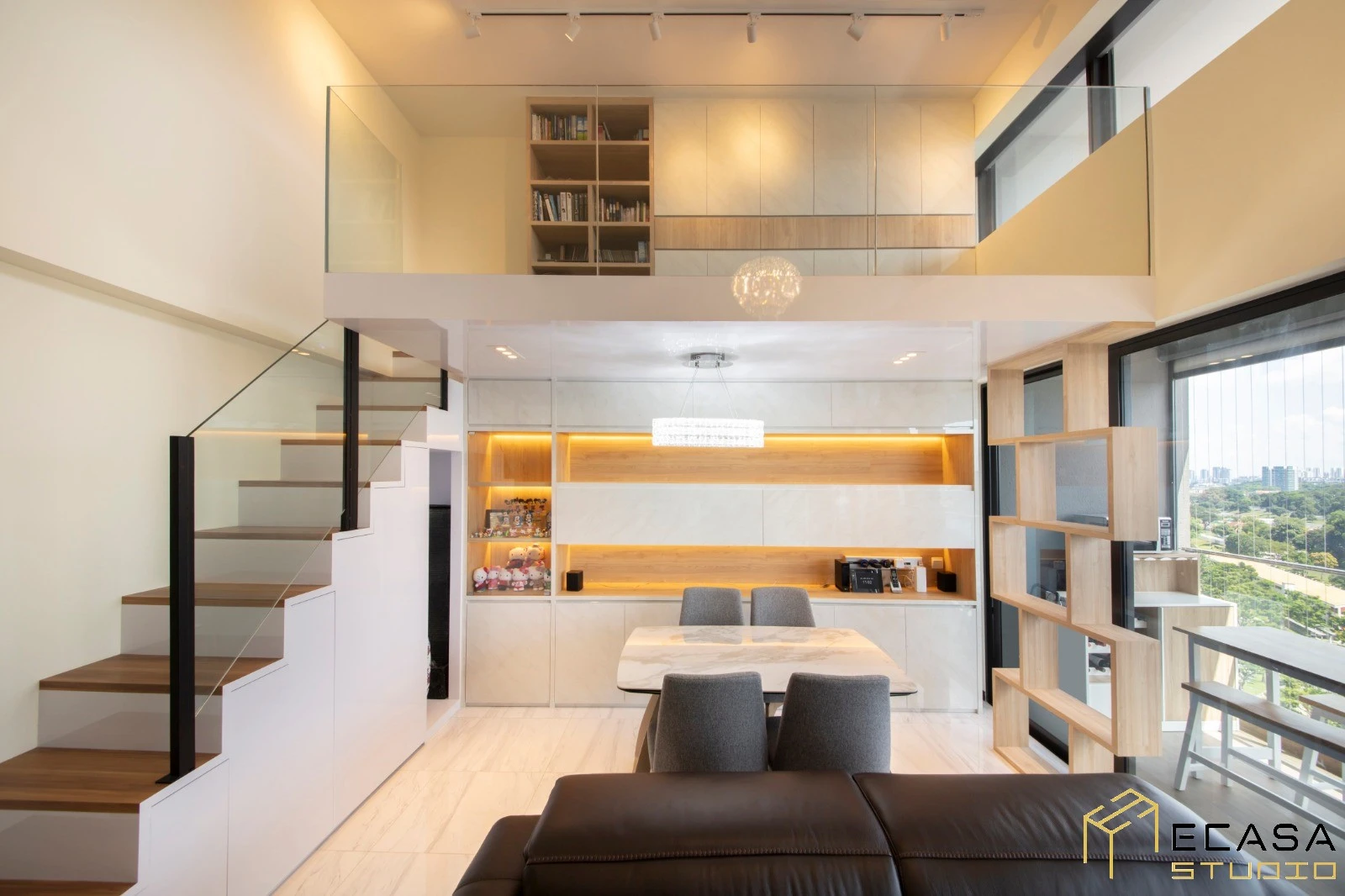
One of the most common must-haves for landed homeowners is a wet and dry kitchen concept. It supports real daily living while keeping the home presentable. The wet kitchen is where heavy cooking happens with strong and oily aromas. On the other hand, the dry kitchen becomes a cleaner social space for light preparation and hosting. Storage is the second feature that separates average landed homes from truly comfortable ones. With more space, you can naturally accumulate more items. If storage is not planned early, landed homes can become visually messy despite having lots of space. The best approach is to treat storage as part of the architecture of the home. You may consider building storage under the stairs that feels seamless and utilises space. Security and smart living features are also increasingly important in landed properties. When planned early, wiring is concealed, placement is logical, and the devices blend into the design without visually cluttering the facade or interiors. The same applies to home Wi-Fi since a landed home requires stronger planning for routers or mesh systems, so the signal on each level works reliably without awkward exposed cabling.
Designing Key Areas in Landed Homes
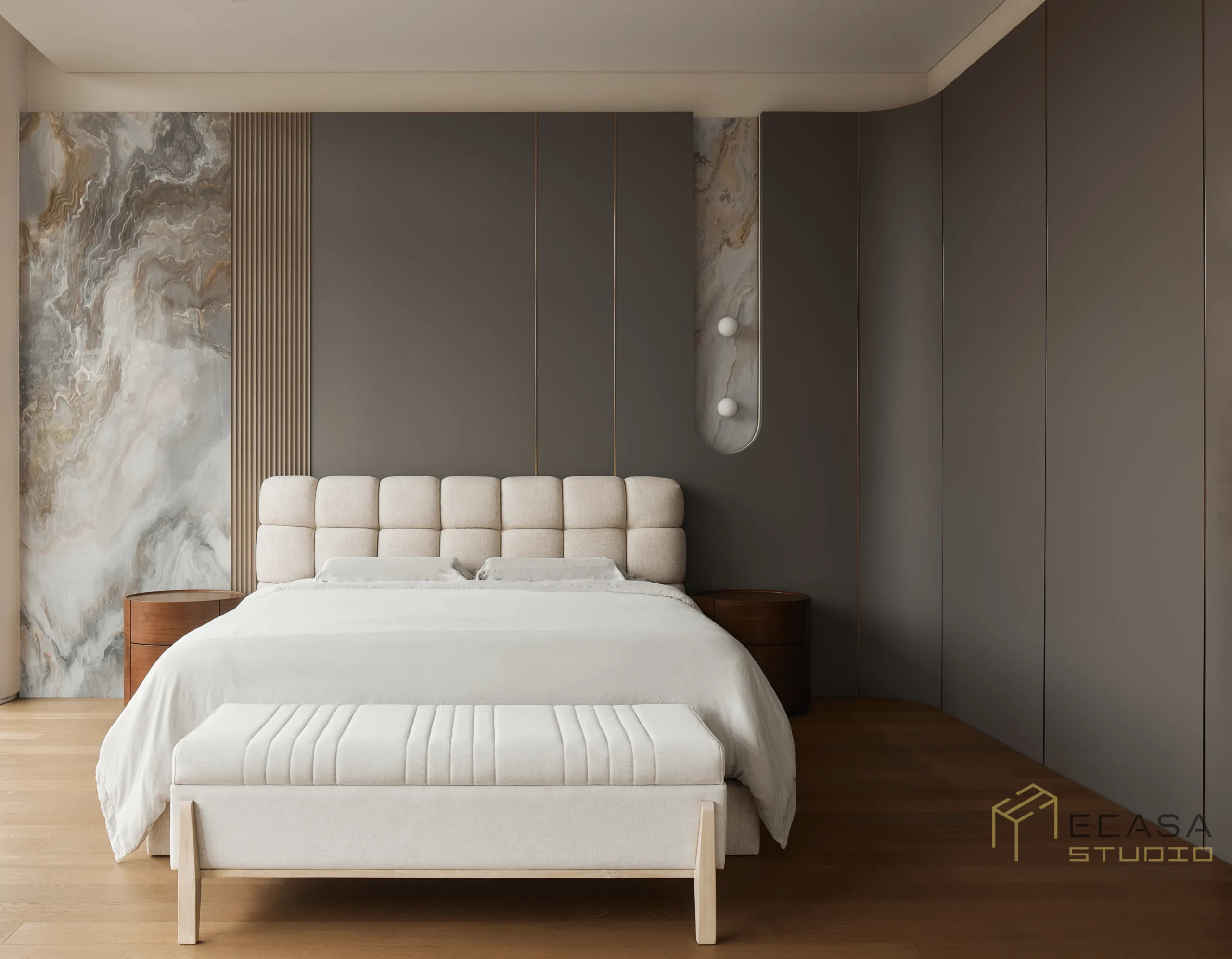
Bedroom planning in landed properties often shifts from maximum built-in storage to suite-like comfort. Many homeowners upgrading to a landed home want the master bedroom to feel like a genuine retreat. That usually means softer lighting, warmer finishes, quieter colour palettes, and wardrobe systems designed around actual usage. In kids’ bedrooms, the best landed designs plan for evolution. A room should work now, but still make sense when the child becomes a teenager, and later when it might become a guest room or study. Flexible carpentry and proper lighting make that transition much easier. Outdoor spaces are another advantage of landed living that deserve intentional design. Many homeowners love the idea of a patio or deck as an extension of the home. Ensure proper planning with weather-friendly finishes and lighting. If maintenance is a concern, the design can lean toward easy-care landscaping that still feels lush and resort-like. The most satisfying landed homes treat indoor and outdoor spaces as one lifestyle, connected through materials, sightlines, and flow.
Lighting, Ventilation & Heat Control in Landed Homes
Lighting is one of the biggest factors that determines whether a landed home feels luxurious or flat. In many renovations, people rely too heavily on downlights, which can make large spaces feel harsh and sterile. When you combine gentle ambient lighting with task lighting where you need it, the home instantly feels warmer and more considered. This is especially important in landed properties where ceilings are higher and spaces are wider. The lighting needs to be designed to match scale, not just installed as a grid. Ventilation planning matters because heat behaves differently across multiple floors. Upper levels often feel warmer, and certain areas can become stuffy if airflow isn’t planned. Many homeowners in Singapore choose ceiling fans in key zones to improve comfort while reducing heavy reliance on air-conditioning. Window treatments also play a huge role in ventilation and comfort. If privacy is needed, layered curtains can allow daytime airflow and light without exposing the interior to the street or neighbours.
Materials & Finishes That Last
Durability is a major priority for landed homeowners, especially families with children, pets, or multi-generational living. Because landed homes have more circulation, more surfaces, and more daily use, materials need to be chosen for real life. Flooring is one of the most important decisions. Many homeowners want a balance between warmth and resilience, choosing finishes that feel comfortable barefoot but can handle scratches and heavy use. Wet areas need anti-slip surfaces for safety, and stairs need finishes that are secure underfoot and easy to maintain. Wall finishes also matter more than people expect. In a busy household, washable paints and durable wall surfaces prevent the constant stress of marks and scuffs. In kitchens and bathrooms, surfaces should handle moisture and cleaning without staining or warping. Carpentry quality becomes even more important in a landed home because it is used more frequently across more zones. For homeowners who plan to stay long-term, timelessness often beats trendy finishes. That does not mean the home should be boring. It means you build a strong foundation of enduring materials and colours, then layer personality through lighting and accents that are easier to refresh later.

Ready to Design Your Landed Home?
A landed home is a big investment, and interior design is where that investment becomes your everyday lifestyle. Whether you are buying your first landed house or upgrading to your next one, working with a designer can help you plan the entire home as one cohesive experience. The right guidance prevents costly mistakes and ensures the final outcome feels both beautiful and effortless to live in. If you are ready to explore a design direction for your home, reach out to our designer and share your floor plan and lifestyle needs. We will help you shape a landed interior that fits the way you live now and still works brilliantly in the years ahead.