Driven by innovation, Singapore’s commercial spaces are evolving rapidly with a renewed focus on human-centric design. For business owners, keeping up with the latest trends in commercial interior design in Singapore is essential to stay competitive, attract customers, and foster a vibrant workplace culture. With high rents and strict building guidelines, companies must maximise every square foot of space to get the best value. At the same time, new work models and consumer expectations from hybrid offices to experiential retail are reshaping how interiors are planned. In this article, we explore the latest design trends across offices, retail shops, and F&B interior design in Singapore. These insights will help Singapore business owners create interiors that not only look impressive but also align with brand identity and operational needs.
Latest Commercial Interior Design Trends in Singapore
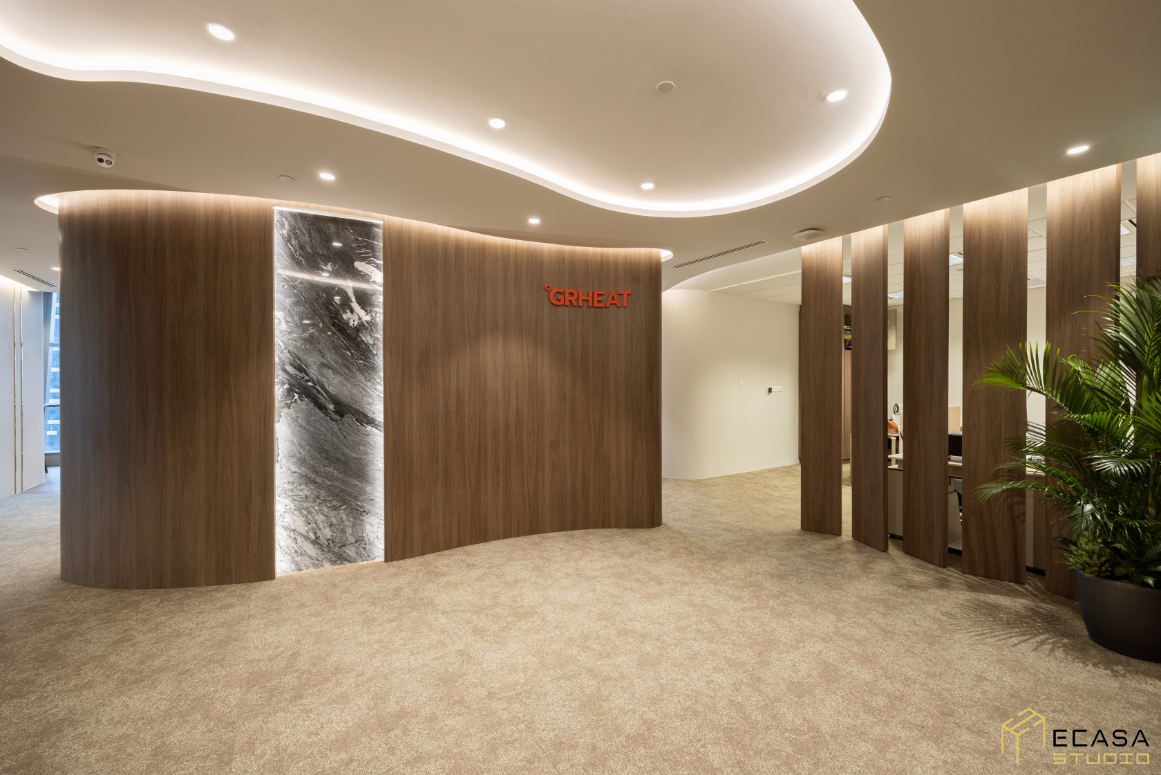
Modern commercial interior design emphasises aligning the physical space with the brand’s identity and values. In office environments, companies usually design workplaces that reflect their culture and mission. For example, a tech firm might use sleek, minimalist decoration to project innovation, while a creative agency might feature vibrant colours and open layouts to signal collaboration. Offices are also increasingly wellness-focused, adding biophilic elements like indoor plants or natural light plus cosy breakout zones. Such design choices not only boost employee morale but also send a message to clients and visitors about the company’s ethos.
In retail and F&B spaces, the latest trend is to create immersive, experience-driven interiors that tell a story. Stores and restaurants are no longer just places to buy things or eat. They have become stages for the brand to shine. Businesses in Singapore are incorporating interactive displays, stylish lighting, and even personalised themes to make their spaces memorable. For example, retailers are using unique decor and sensory elements (like music and scent) to engage shoppers and forge an emotional connection. Many new cafes and restaurants likewise feature distinctive themes or design concepts aligned with their brand story. These design touches reinforce brand identity at every turn, so customers instantly recognise the brand’s personality when they step inside.
Key Considerations When Crafting Commercial Interior Design
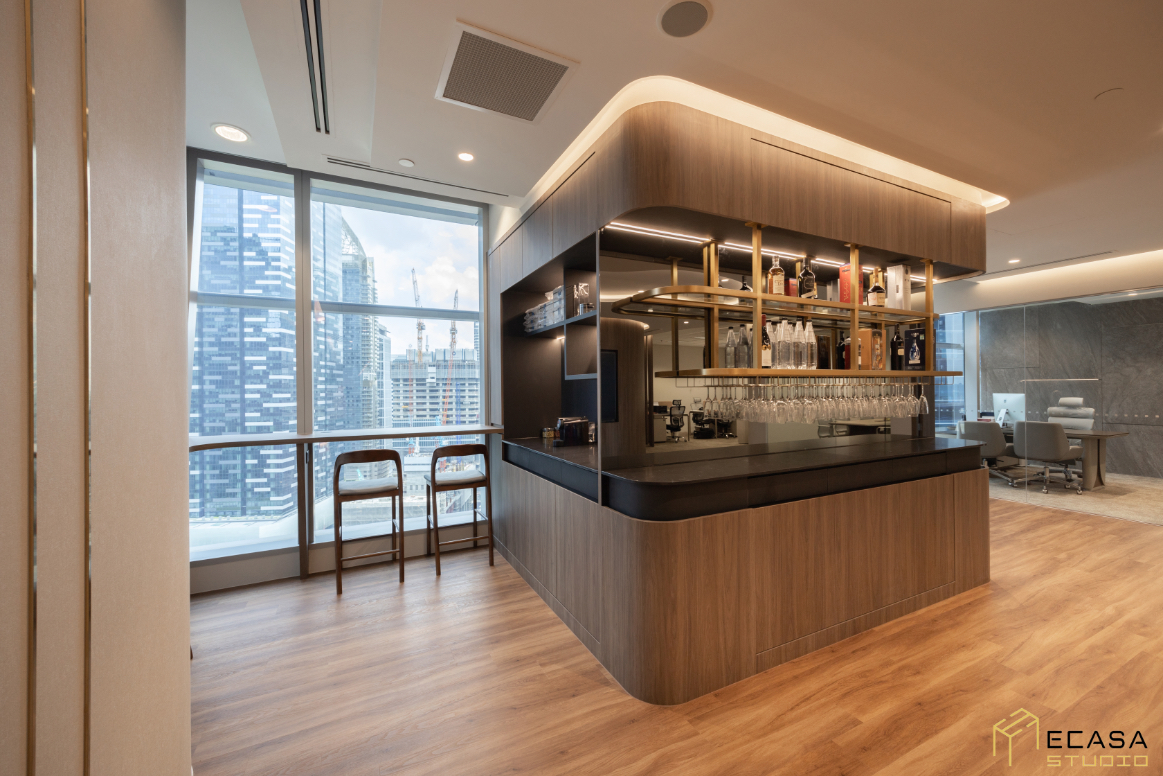
In the planning phase, must decide to either focus on customer user experience or accommodate today’s hybrid and flexible work styles. For customer-facing businesses like retail stores or F&B outlets, customer experience-driven design is widely used. This means designing the space has to be from the perspective of a visitor, ensuring their journey is smooth, engaging, and enjoyable. Modern retailers in Singapore nowadays are prioritising layouts that encourage exploration, with Instagram-worthy decor and cosy nooks that invite shoppers to linger. Restaurants and cafes are focusing on ambience through lighting and acoustics, creating environments where customers feel at ease and aligned with the theme of the cuisine. By crafting a welcoming and immersive atmosphere, businesses enhance customer satisfaction and loyalty.
Meanwhile, in office and workspace design, the key consideration is supporting hybrid and flexible work. Rather than rigid rows of fixed cubicles, companies are opting for layouts that can transform day to day. This includes incorporating multi-functional areas and activity-based work zones. Modular furniture that can be reconfigured to accommodate different team sizes or activities has become a lifesaver in this regard. One day you might reassemble tables for a large workshop, and the next day break them apart into smaller pods for a more focused work. All of that without needing to purchase a new piece of furniture or a renovation. Designing with such flexibility in mind makes the workplace more resilient and collaborative.
Regulations and Compliance for Commercial Interior Design
Designing a commercial space in Singapore is not just about aesthetics and functionality. You must also navigate a web of local building regulations and compliance requirements. Failing to comply can result in costly fines or project delays. Hence, it is crucial to plan with these rules in mind from the start. Key regulatory considerations include ensuring the space is approved for your intended business use. If you plan to convert a shop into a restaurant or set up an office in an industrial building, you may need permission for a Change of Use. In addition, any additions or alterations (especially involving walls, ceilings, or heavy equipment) must meet BCA’s safety standards. A registered professional architect or engineer may need to submit their plans to BCA for approval, certifying that the design complies with the Building Control Act. Furthermore, commercial interiors must comply with fire safety codes. Ensure the space has proper emergency escape routes, exit signage, and fire suppression systems in place.
Incorporating Smart Design in Commercial Interior Design
A push for a “Smart Nation” has made smart design a hot topic for commercial interiors. Integrating technology into the physical space can greatly enhance efficiency and user experience. In offices, this might mean installing motion sensors or smart thermostats to manage electricity and air-conditioning so that power would not be wasted in empty rooms. Smart access controls and security systems (like facial recognition entry or app-based room bookings) are also becoming common in Singapore’s modern offices. In retail and F&B settings, technology integration can involve interactive kiosks or digital signage that personalise content for customers. Moreover, tech-enabled convenience has become an expectation for today’s customers to enjoy features like mobile ordering at cafes or smart queue systems in stores. Embracing smart design also helps to future-proof your space as it could easily adapt to new innovations. From AI-driven analytics that help reorganise layouts, to simple additions like USB charging outlets at every seat, smart design elements, both large and small, can set your commercial space apart. The bottom line is that sustainable and smart design features are not just trendy add-ons but strategic investments. They can lower operating costs, improve the comfort and safety of the environment, and signal that your brand is innovative and responsible. These eco-friendly choices do not just help the planet; they also enhance a company’s brand image. Customers and employees tend to view sustainably designed spaces more favourably.
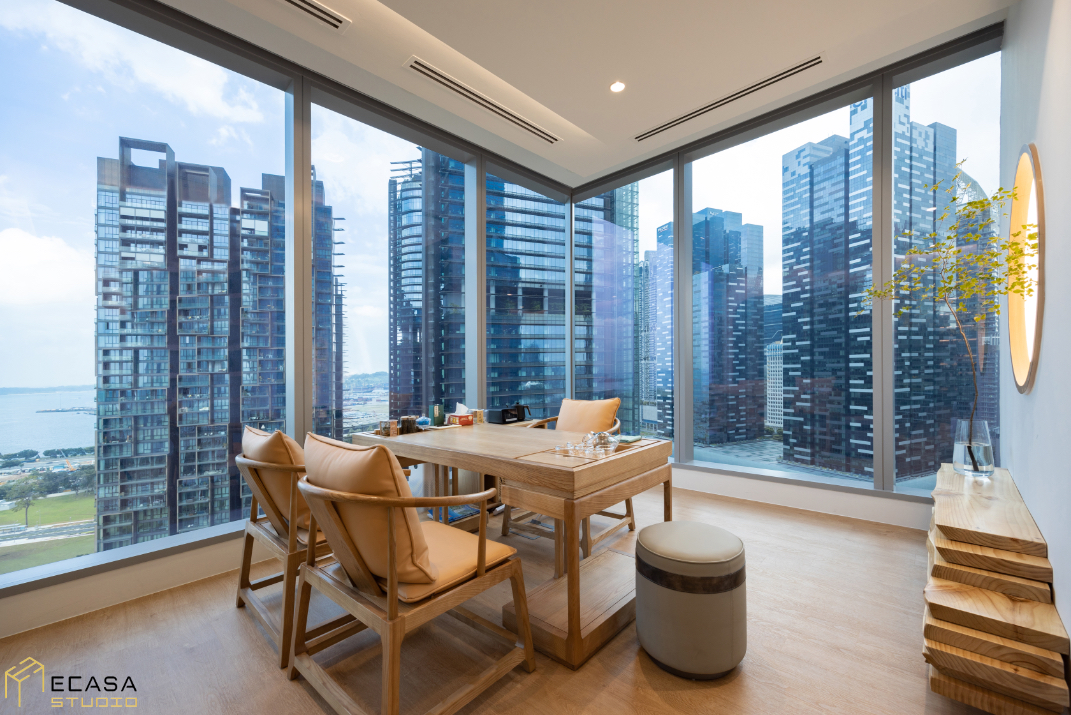
Elevate Your Commercial Business With Our Interior Designer Today
Commercial interior design in Singapore is about creating spaces that are attractive, functional, and aligned with both business goals and local expectations. By incorporating the latest trends and paying close attention to customer experience, you can turn your commercial space into a place that truly stands out. If you are a Singapore business owner ready to transform your commercial space, now is the time to act. Engage our professional interior designer at Ecasa Studio to help bring these ideas to life. With expertise in both residential and commercial projects, we understand the local market and regulatory landscape inside-out. Let us craft a workspace or outlet for you that not only impresses customers at first glance but also supports your brand’s growth and vision. Contact us today for a consultation and let us create an inspiring commercial interior that elevates your brand identity and success!