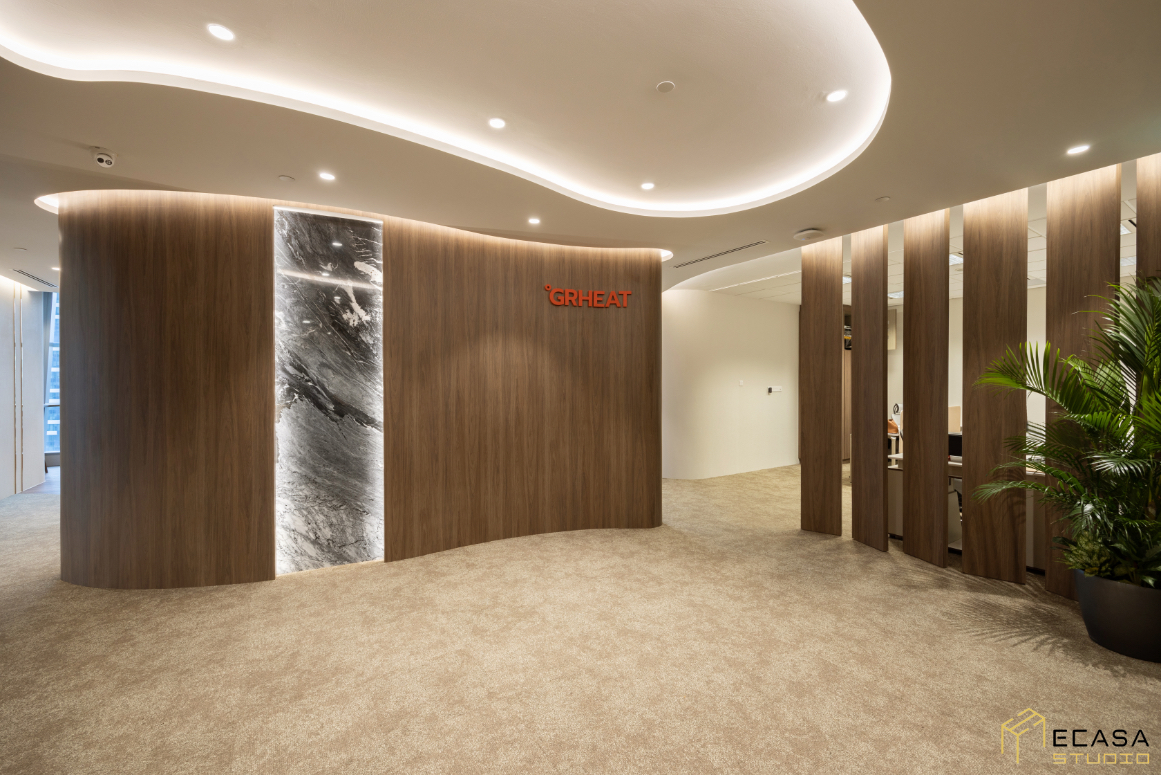
Planning a new office can feel exciting for any business owner. It gives you the chance to create a better workplace, impress clients, support employees and show where the company is heading. However, office interior design is not only about choosing attractive colours, stylish furniture or an impressive reception area. In Singapore, office rental, renovation, manpower and compliance costs can add up quickly, so poor planning can turn a simple office project into an expensive business mistake.
Many business owners start an office renovation with good intentions. They want a workplace that looks professional, feels modern and supports growth. The challenge usually begins when decisions move too quickly, especially after the lease has been signed or the move in date gets closer. Without enough planning, the final office may look good but fail to support the team’s daily operations. Business owners should understand the most common mistakes before starting an office renovation, relocation or fit-out project. With the right planning, your office can support your team, reflect your brand and serve your business for years to come.
Why Office Interior Design Singapore Mistakes Can Cost More Than You Think
A badly planned office can affect staff productivity every day. Employees may struggle to focus when the office has too much noise, too few quiet areas or poorly arranged workstations. Teams may waste time when meeting rooms are always fully booked, storage areas sit too far from work zones or shared facilities interrupt the natural flow of work. These issues may not appear clearly on a renovation invoice, but they can affect team performance, employee satisfaction and the overall working experience. A company may move in and realise that the office does not have enough power points, data points or video conferencing facilities. Meeting rooms may need changes. Storage may need to increase. Acoustic panels may need to go in after staff start complaining about noise. These changes often cost more after renovation because they disrupt business operations and require extra labour, materials and coordination.
Employee expectations also matter. Many companies now balance office-based work with flexible work arrangements. Because of this, the office must give people a strong reason to come in. If the workplace feels uncomfortable, noisy, outdated or poorly equipped for collaboration, employees may not see enough value in working from the office. A better designed office can support teamwork, culture and communication in ways that remote work cannot fully replace. Business owners should treat office interior design as an investment in business performance. Before choosing finishes, furniture or layout concepts, they should ask what the office needs to achieve. The office may need to support client meetings, focused work, collaboration, hybrid teams, faster operations, stronger branding or future expansion. Once the business purpose becomes clear, every design decision becomes more practical and less likely to waste money.
Designing an Office Interior in Singapore Around Looks Instead of Business Needs
A beautiful office can create a strong first impression, but looks should not drive the entire design direction. Many office interior design in Singapore makes mistakes when business owners start with moodboards, themes and visual references before defining how the company actually works. An open concept office may look spacious and modern, but it may not suit a company that handles confidential calls, financial discussions or focused analytical work. A luxurious reception area may help a company that hosts clients often, but it may not suit a back office team that needs more functional workstations and storage. A large collaborative zone may support creative teams, but it may frustrate employees who need quiet concentration for most of the day.
Brand image still plays an important role, but the office should express it in a way that supports function. A professional services firm may need a calm and refined office that builds trust during client meetings. A technology company may need a flexible layout that supports agile work, product discussions and team collaboration. A growing SME may need a space that feels polished while remaining practical, easy to maintain and adaptable. For a broader look at how branding, functionality and customer experience shape different business spaces, you can also read our guide on latest trends and key considerations for commercial interior design in Singapore. For business owners, the goal should not be to copy a trendy office design. The goal should be to create a workplace that reflects the company’s identity and makes daily work easier, smoother and more productive.
Ignoring Workflow, Team Size and Future Growth
Hybrid work has also changed how business owners should plan offices. Fewer people in the office does not mean less planning. In many cases, hybrid work needs better planning because attendance can change from day to day. The office may feel quiet on some days and crowded on others. Meeting rooms may face high demand when teams gather in person. Collaboration spaces may become more important because employees come to the office for discussions, culture and connection. When companies ignore workflow, headcount and growth, the office may become outdated soon after completion. When they plan these factors properly, the office can support the business for a longer period and reduce the need for frequent renovation.
Overlooking Lighting, Acoustics, Ergonomics, and Indoor Air Quality
Many business owners often overlook the less obvious factors that affect comfort. Lighting plays one of the most important roles in office interior design. Poor lighting can make an office feel dull, tiring or uncomfortable. Instead of making every part of the office equally bright, the design should create the right lighting mood and function for each zone. Business owners should also plan acoustics from the start. Acoustic panels, carpet tiles, upholstered furniture, enclosed phone booths, quiet rooms, sound absorbing ceilings and better meeting room placement can all help control noise. Even pantry placement can affect sound levels. When a social area sits too close to workstations, it can create constant distraction.
Ergonomics should also influence furniture selection. Office chairs, desk height, monitor placement, posture support and movement space affect employee comfort every day. Poor ergonomics can lead to discomfort, fatigue and lower productivity. Business owners may feel tempted to save money on chairs and workstations, but employees use these items for many hours each day. Suitable ergonomic furniture often brings more practical value than decorative features that do not improve daily work. Wellbeing does not mean adding a few plants or creating a stylish lounge. It means designing an office that supports physical and mental comfort. Indoor air quality also matters in enclosed, air-conditioned offices.
Poor ventilation, unpleasant odours, excessive humidity, dust, poorly maintained air conditioning systems and unsuitable materials can reduce comfort. Low quality materials may create odours, wear out quickly or become difficult to maintain. In a high traffic workplace, durability and maintenance matter as much as appearance. Business owners should discuss ventilation, air conditioning, maintenance access and material selection with their office interior designer or contractor before renovation begins.
Missing Singapore Regulations, Landlord Approvals and Fire Safety Requirements for Office Interior Design Singapore
One of the most serious office interior design Singapore mistakes is leaving compliance checks until the design is already final. In Singapore, office renovation and fit out works may involve landlord requirements, building management rules, fire safety considerations, accessibility requirements and authority submissions, depending on the renovation scope. Business owners should not assume that every design idea can move straight into construction. Even when the space already has approval for office use, renovation works may still need approval from the landlord or building management. This matters even more in commercial buildings, strata properties, shophouses and older premises where rules can differ. Some buildings set strict guidelines on working hours, hacking, delivery access, lift protection, noise control, fire protection systems, air conditioning works and reinstatement obligations.
Fire safety needs serious attention. Office layouts must consider escape routes, exit access, fire rated elements, sprinkler works, alarm systems, emergency lighting and other safety requirements where relevant. If partitions, rooms or ceiling works affect fire safety provisions, qualified professionals may need to review the design. Ignoring these matters can cause delays, redesign, additional cost or difficulty obtaining the necessary clearance before occupation.
An experienced interior design with relevant experience should help business owners understand the approvals they may need, coordinate with relevant parties and identify potential issues before construction begins. Compliance may not feel like the most exciting part of office design, but it protects the business from unnecessary risk. A smooth office renovation depends on good design, proper planning, clear documentation and strong coordination. When business owners handle regulations and approvals early, the project has a better chance of staying on schedule and avoiding costly surprises.
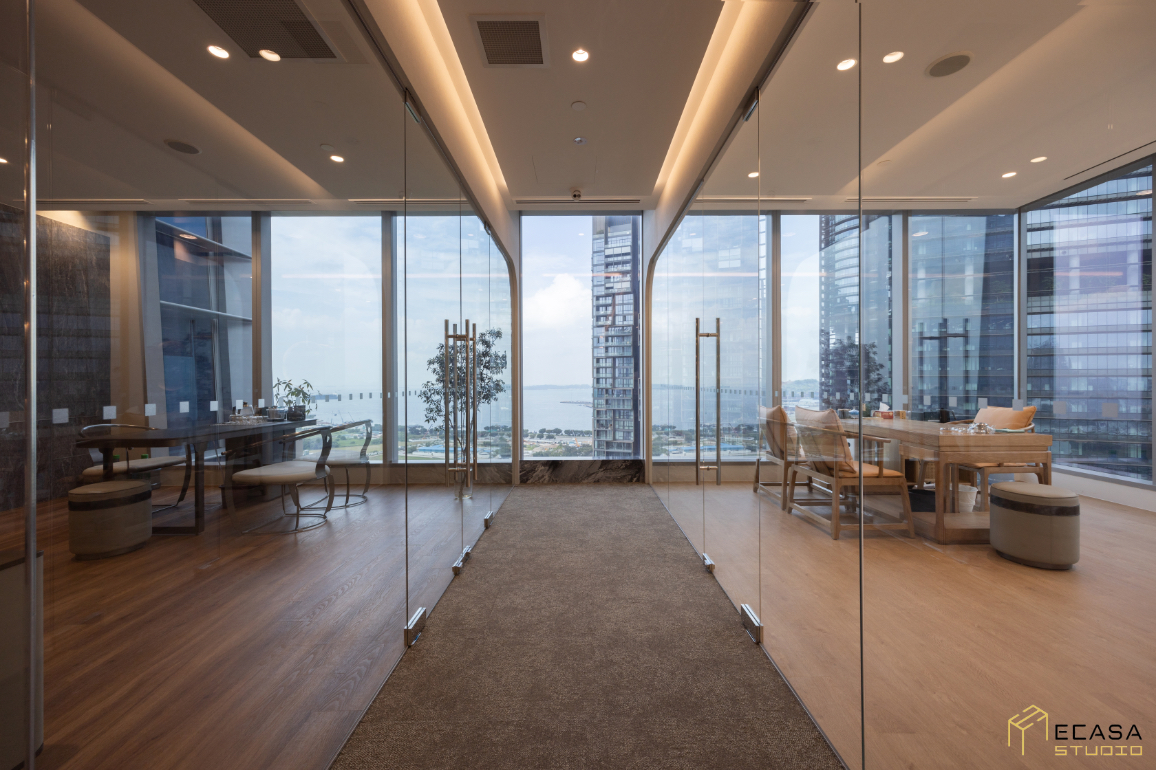
How Business Owners Can Avoid These Office Interior Design Singapore Mistakes
Avoiding office design mistakes starts with a clear brief. Before speaking to interior designers, business owners should define what the office needs to achieve. The brief should cover team size, work patterns, meeting needs, visitor experience, storage, technology, brand image, budget, timeline and future growth. The right stakeholders should also give input early. Management can explain business direction, while employees can share how daily work actually happens. IT teams can explain technical requirements. HR teams can highlight workplace policies and employee needs. When these inputs come in early, the office has a better chance of working well in real life.
Choosing the right interior design company also makes a major difference. Business owners should look for a team that understands office workflow, Singapore renovation requirements, space planning, materials, project coordination and contractor management. If you are planning on an office renovation, engage our interior designer today to create a practical workplace that supports your team, brand and business goals.