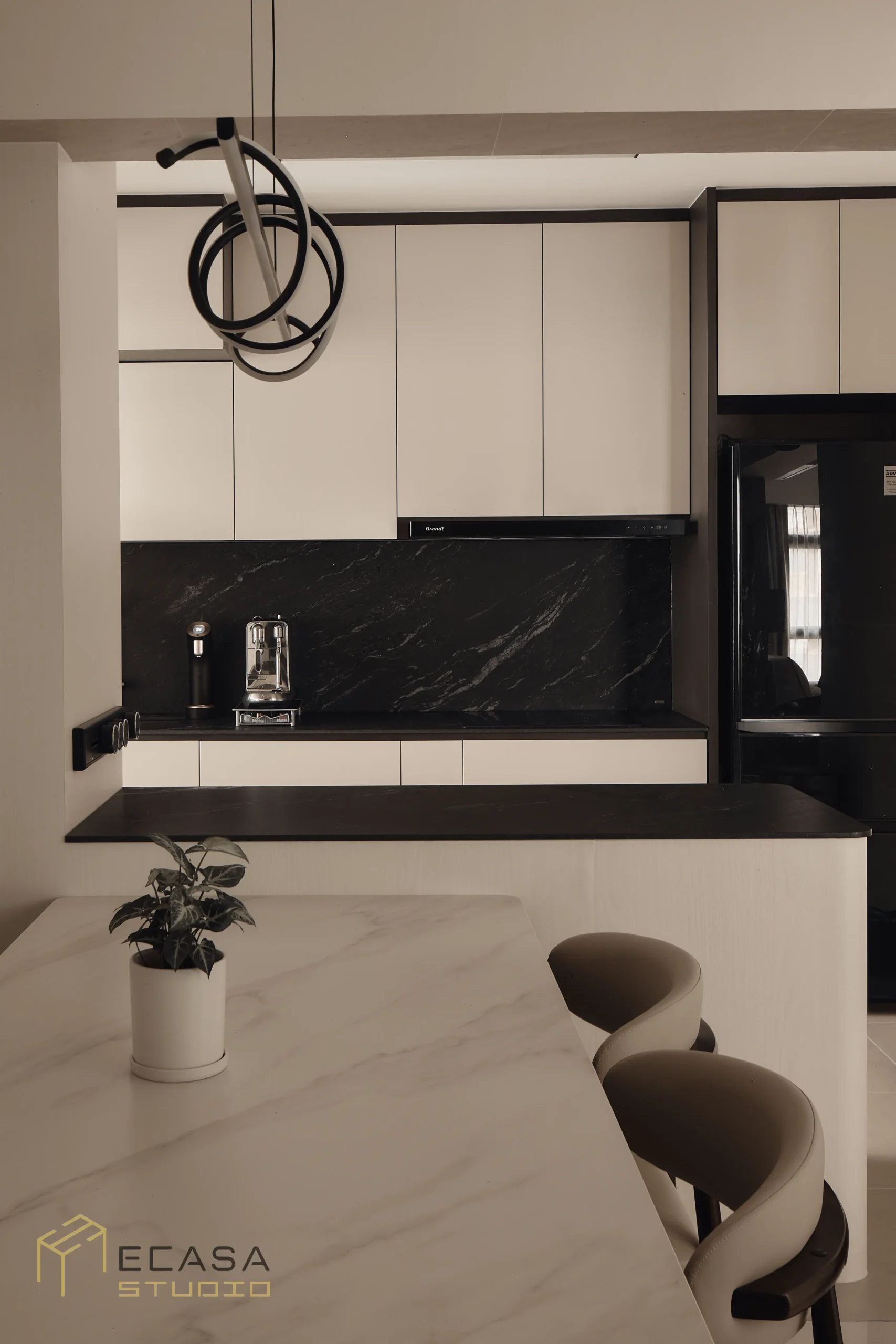
Designing your first BTO kitchen is one of the most exciting parts of becoming a homeowner in Singapore. For many first time homeowners, the kitchen is not just a place to cook. It is where you make your morning coffee, unpack your groceries, prepare a simple dinner, plate your takeaway, wash up after guests leave, and slowly build daily habits in your new home. At the same time, the kitchen is also one of the easiest spaces to overthink. You may start by saving photos from Pinterest, browsing renovation ideas, and imagining how your dream kitchen should look. While inspiration is useful, a good BTO kitchen should not be designed around looks alone. It should be designed around your lifestyle. Every homeowner uses the kitchen differently. Some people cook every day, only on weekends or mainly uses kitchen for drinks, snacks and reheating food. Others may not cook often now but want the option to do more in the future. This is why your first BTO kitchen should begin with practical questions about how you live, what you need daily, and how your routine may change over time.
Why Your First BTO Kitchen Should Start with Lifestyle Planning
Before choosing your cabinet finish or countertop material, it helps to understand what role your kitchen will play in your home. A kitchen that looks beautiful but does not suit your lifestyle can become inconvenient after the excitement of renovation fades. For example, if you cook often but design a kitchen that is too open, cooking smells may travel into the living area more easily. If you rarely cook but spend too much on a large cooking setup, you may end up with features you do not use. If you love buying small appliances, but do not plan enough counter space or power points, your kitchen may feel cluttered very quickly. Lifestyle planning helps you make better renovation decisions. It gives you a clearer reason for every choice, from layout and storage to lighting and appliances. Instead of asking what looks nice, you start asking what makes sense for your daily life. That shift is especially important for first time BTO homeowners who are planning a kitchen from scratch.
What Will Your Kitchen Be Used for Every Day
A useful way to begin is to imagine a normal day in your future home. In the morning, will you use the kitchen to prepare breakfast? After work, will you cook dinner or unpack food delivery? These small details matter because they affect how your kitchen should be planned. A homeowner who starts every morning with coffee may want a dedicated drink corner. A family that cooks often may need more preparation space, deeper storage and easier cleaning surfaces. The best BTO kitchen is not always the most expensive one. It is the one that supports your real routine. When your kitchen is planned around daily use, it feels natural instead of forced.
Are You Cooking Daily, Occasionally or Mostly Buying Takeaway
One of the biggest questions to ask is how often you actually cook. This does not mean you must label yourself too strictly. Your habits may change after moving in, but having a general idea helps you avoid designing blindly. If you cook daily, your kitchen needs to handle heat, oil, steam, smells and frequent washing. Ventilation, easy cleaning and durable surfaces become more important. If you cook occasionally, your kitchen can be simpler, but it should still be practical enough for basic meal preparation. If you mostly buy takeaway, the kitchen may be more about convenience, storage and lifestyle than full meal preparation. This is where you can go deeper into your own cooking habits. If you want to understand how different cooking styles affect materials, ventilation and layout choices, you can read more about light and heavy cooking kitchen design. For this article, the main point is simple. Your kitchen should match how often you cook, not how often you think a kitchen should be used.
Planning Your Kitchen Around Morning and Night Routines
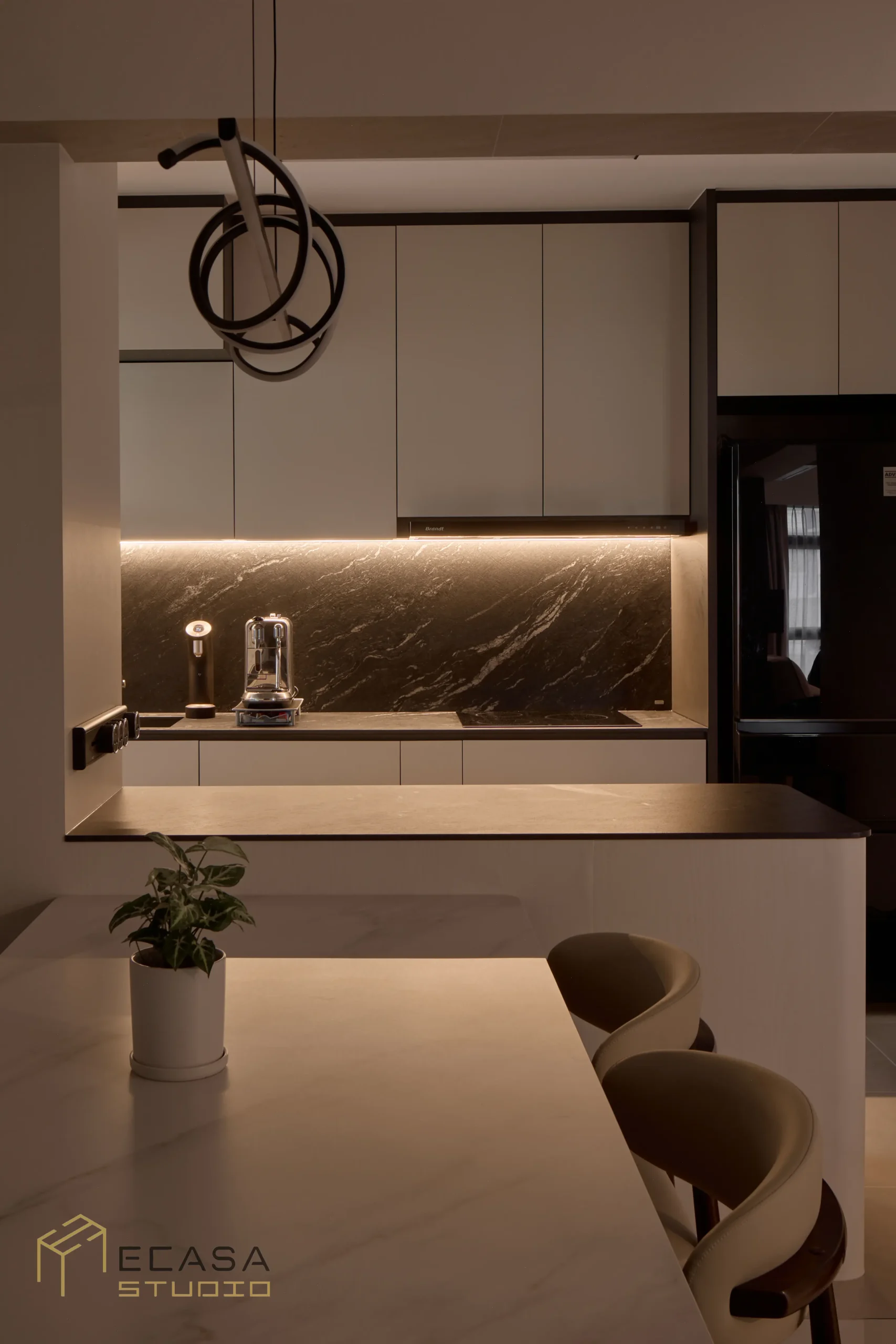
Many homeowners think of the kitchen only as a cooking area, but it is also part of your morning and night routine. In the morning, you may want a quick and smooth setup for coffee, water, breakfast or supplements. At night, you may need an easy place to wash cups, clean containers, prepare fruit or settle small chores before resting. These routines affect where things should be placed. Frequently used appliances should not be hidden too deeply. Cleaning items should be easy to reach but not visually messy. If you use a water dispenser, coffee machine, kettle or rice cooker every day, these should have a proper home from the start. A kitchen that supports small routines can make daily life feel calmer. It also reduces clutter because every item has a purpose and a place.
Thinking Ahead Before Your Lifestyle Changes
Your first BTO kitchen should suit your current lifestyle, but it should also leave room for future changes. Many homeowners move into their first home as a couple, then later welcome children, live with parents, host more often or start cooking more frequently. Your kitchen does not need to predict everything, but it should not be too rigid. For example, you may not need many cooking tools now, but it is still wise to keep some flexible storage. You may not cook heavily today, but you may want proper ventilation if your habits change. This idea applies to other parts of the home too, especially when designing your HDB bedroom for every stage of life, where comfort, flexibility and long term planning can make a big difference as your household needs evolve. A good kitchen design gives you room to grow. It does not have to be oversized or overly complex. It simply needs to be planned with enough flexibility so your home can adapt with you.
How Your Kitchen Connects with the Rest of Your Home
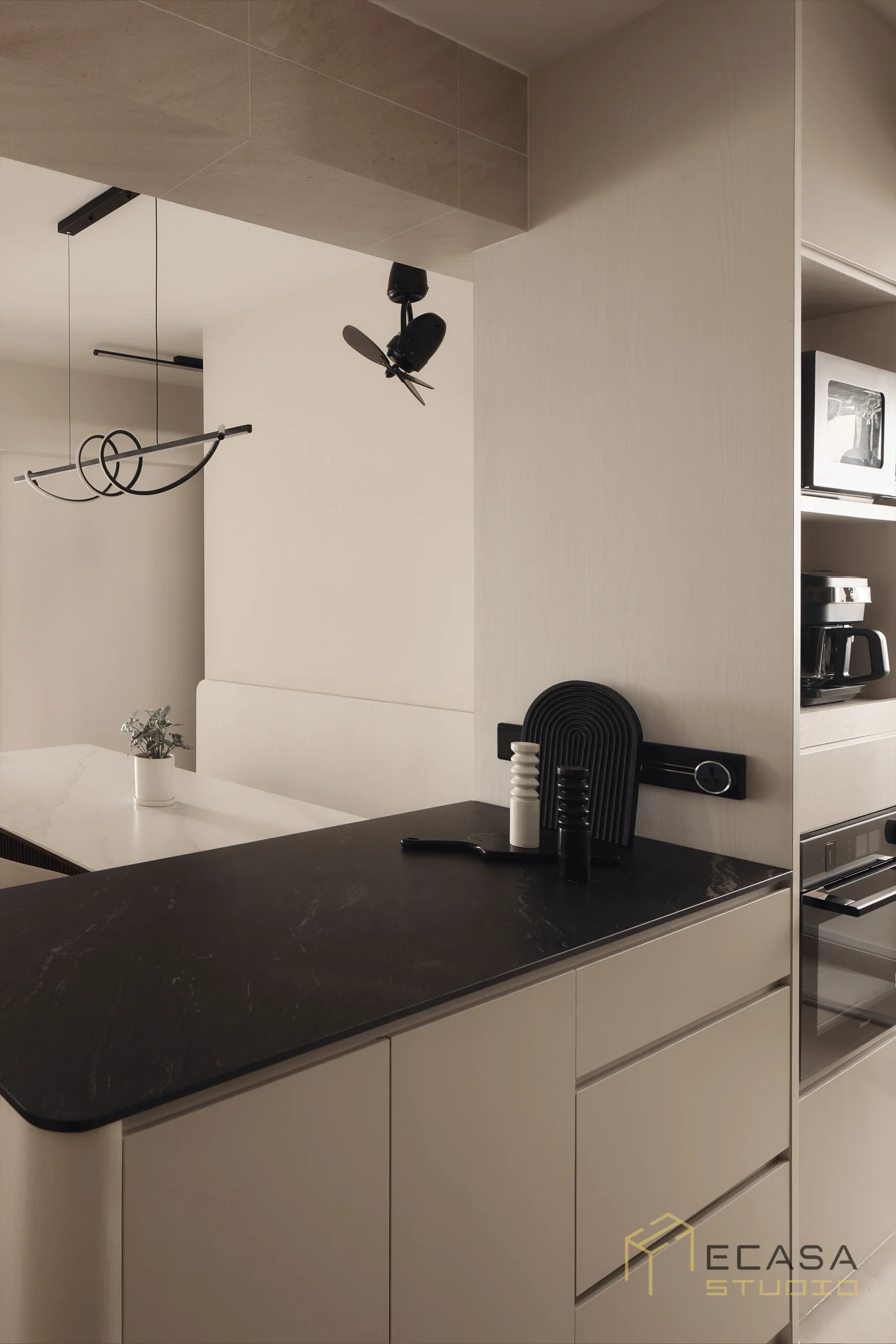
In many BTO flats, the kitchen is closely connected to the dining and living area. This makes layout planning important because the kitchen affects how the entire home feels. An open kitchen can make the space feel brighter and more spacious, while an enclosed kitchen can offer better separation from cooking smells and mess. Instead of choosing based only on trend, think about how you want your home to function. Do you prefer the kitchen to blend with the living area, or do you want a clear boundary between cooking and relaxing? If your BTO kitchen is small, you may also find useful ideas from this guide on small kitchen design in Singapore. It can help you think about space planning, storage and how to make a smaller kitchen feel more efficient.
Mistakes New BTO Homeowners Make When Planning Their Kitchen
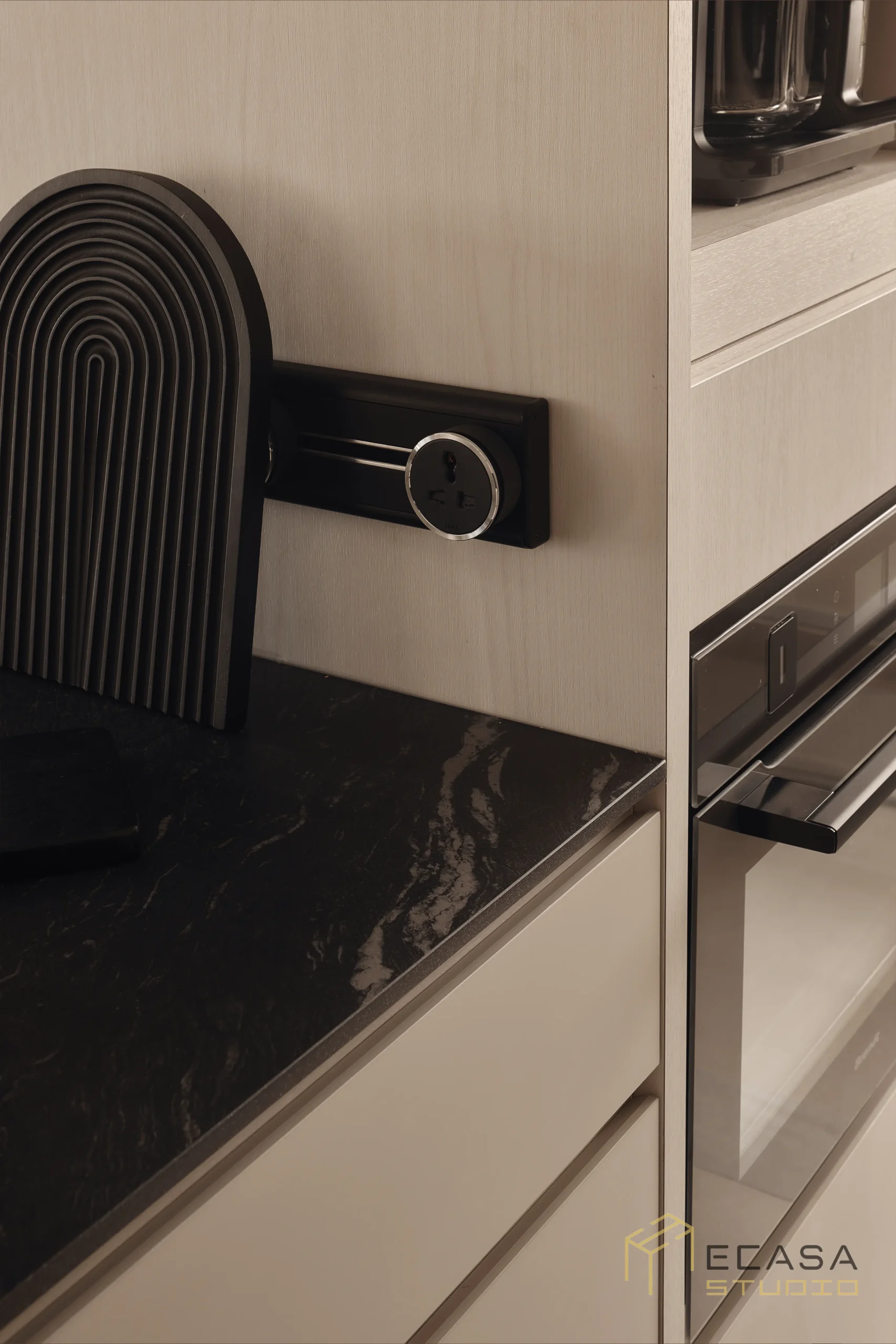
One common mistake is designing for an imagined lifestyle instead of a real one. Some homeowners plan a chef style kitchen even though they rarely cook. Others choose an open layout without considering cooking smells. Some prioritise appearance but forget about cleaning, storage and appliance placement. Another common mistake is not planning enough power points. Modern kitchens often include air fryers, microwaves, coffee machines, water dispensers, rice cookers and blenders. It is also easy to underestimate counter space. A kitchen with many cabinets but very little usable counter space may look complete but feel inconvenient.
When to Speak to an Interior Designer About Your BTO Kitchen
Before meeting your designer, prepare a simple list of your habits. Think about how often you cook, what appliances you use, whether you prefer open or enclosed spaces, and what frustrates you in kitchens you have used before. Explain how you want the kitchen to support your daily life. This gives your designer a clearer direction and helps avoid a kitchen that looks good but does not work well for you. When your kitchen is designed around the way you live, it becomes more than just a beautiful space. It becomes a practical part of your home that supports your routines, your comfort and your next stage of life. If you are unsure how to turn your lifestyle needs into a proper layout, it may help to speak with our interior designer early. A good designer can help you look at your floor plan, understand your routine, and suggest practical ways to balance space, storage, materials and budget.